The Nicotine Withdrawal Timeline: Why Day 3 is the Hardest and How to Survive It
To be honest, the first week of quitting vaping is a gauntlet. It is not just a minor craving or a nagging thought that you can easily brush aside. It is the kind of heavy, all‑consuming experience that makes you question your sanity at 3 AM while you are pacing the floor. Most people are told that withdrawal is difficult, but they are not given the specifics of when the pressure peaks or why it feels so overwhelming. Without a roadmap, it is far too easy to feel like you are failing when you are actually right on the verge of a breakthrough.
This is a look at what truly happens when you quit, hour by hour and day by day. We are diving into the intersection of brain chemistry, physical dependency, and the deep‑seated habits that make vaping such a difficult cycle to break.
A 2015 review on nicotine withdrawal in Current Topics in Behavioral Neurosciences found that symptoms usually start within the first 24 hours, peak around day three, and then begin to ease over the following weeks, which is exactly the pattern most people feel but are never told about.

Hours 2 to 12: The Chemical Departure
When you first put down your device, your body does not immediately go into a state of panic. In fact, those first few hours are often deceptively easy. This is the “honeymoon phase” of quitting, and it often leads to a sense of overconfidence. Nicotine leaves your bloodstream relatively fast, with a short half‑life of only a couple of hours, so levels drop sharply after your last hit. However, by around the four‑hour mark, the mood begins to shift in a very noticeable way.
Your nicotine receptors have been saturated for months or years, and they are now beginning to starve. As your dopamine levels take a sharp nosedive, your body starts pumping out stress hormones like cortisol and adrenaline. This is a primitive survival mechanism; your brain interprets the absence of its usual chemical stimulant as a sign of danger. Between hours four and twelve, you will likely feel a rising sense of anxiety, a short temper, and a physical “wanting” that feels like an itch you cannot scratch.

Days 1 and 2: The Ritual Trap
By the time you reach the twenty‑four‑hour mark, the initial shock to your system starts to level off, but you enter what many quitters call the ritual trap. This is where the addiction moves from a chemical need in the blood to a behavioral need in the mind. Even if the physical symptoms feel manageable, your brain is deeply conditioned to the hand‑to‑mouth motion and the specific physical sensation of the throat hit.
You will find yourself reaching for your pocket out of habit or feeling a massive void during your usual commute or work breaks. This is the stage where the habit itself is often more dangerous than the chemical withdrawal. Most people struggle here because they have not replaced the physical act of vaping with anything else, leaving them feeling “empty‑handed.”
Research in the Journal of Behavioral Medicine on methods adolescents use to quit vaping has highlighted that successful quitters often lean on new routines and coping strategies, habits that plug into the same daily cues instead of just trying to rely on raw willpower alone.
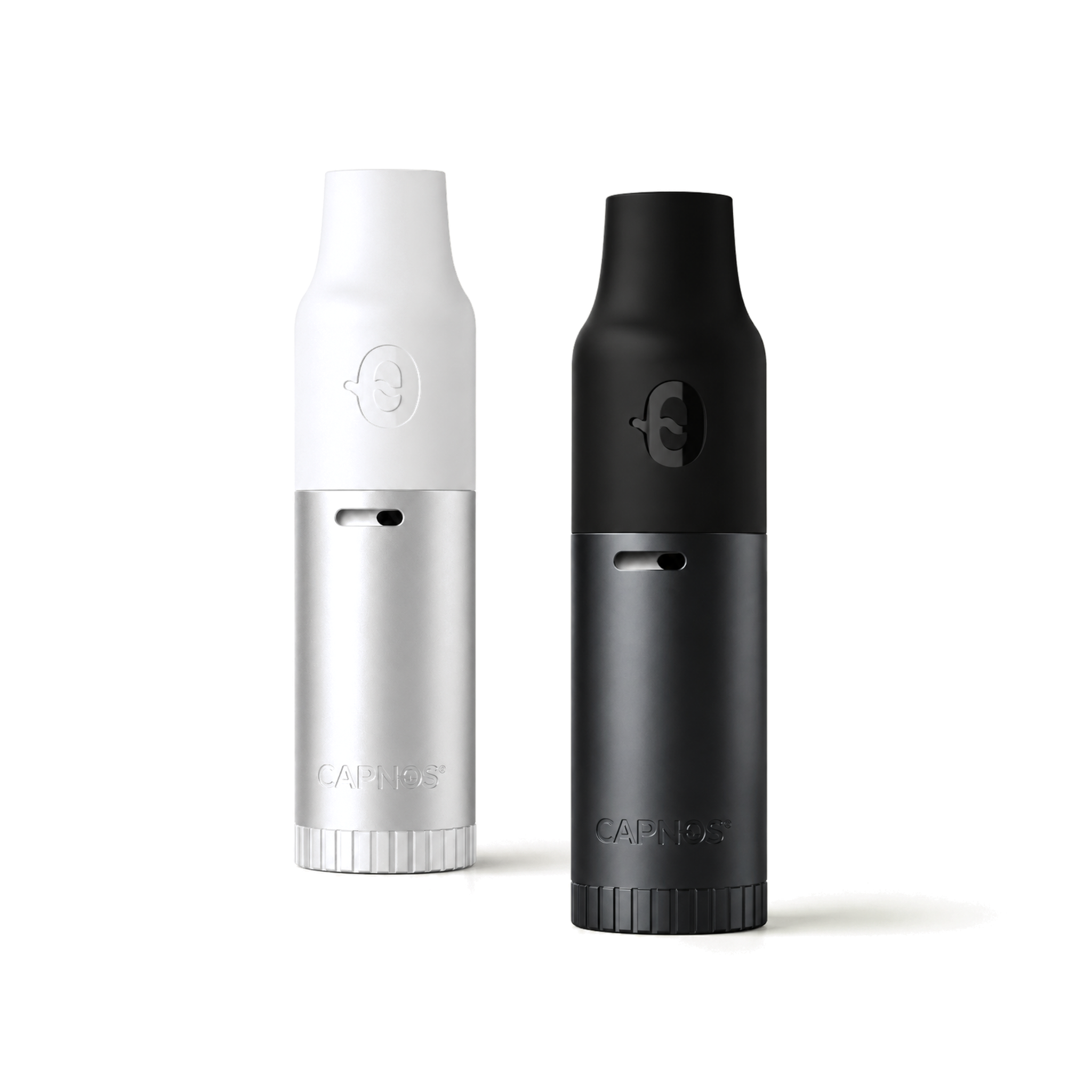
This is where a tool like the Capnos Legura becomes a game‑changer. It provides that familiar pressurized “pop” and the tactile sensation of a high‑quality device without any of the nicotine or harmful chemicals. By satisfying the physical ritual, you allow your brain to focus entirely on the chemical detox without the added stress of a missing habit. It bridges the gap between being a “vaper” and being “free.”
Support the ritual, not the nicotine
CAPNOS® Legura
A premium pressurized-air inhaler for the hand-to-mouth routine and adjustable deep-hit sensation, without nicotine, smoke or batteries.
$74.99
Explore CAPNOS Legura →

Day 3: The Peak of the Storm
Welcome to the hardest part of the journey. Day three is notorious for a very specific reason: it is the point where your dopamine levels hit their absolute floor while your stress hormones reach their ceiling. Your brain has spent a long time “upregulating” its receptors, meaning it grew more of them to handle the constant influx of nicotine. Now, those receptors are all empty, and they are screaming for a fix.
This creates a perfect storm of intense cravings, irritability, and a thick “brain fog” that makes simple tasks feel impossible. You might feel like you cannot concentrate on a single conversation or like your emotions are on a hair‑trigger. That same 2015 scientific review on nicotine withdrawal reports that symptoms are typically strongest around day three before they begin to decline, which is why this day feels like the top of the mountain rather than a random bad day. It is vital to remember that you are not actually losing your mind; your brain is just undergoing a massive neurological recalibration. If you can push through the twenty‑four hours of day three, you have effectively survived the absolute worst of the physical withdrawal process. The mountain has been climbed; the rest is the descent.

Week 2 to 3: The Temptation Zone
By the second week, the physical symptoms like headaches or nausea have usually vanished. You are sleeping better, your lungs feel clearer, and your energy is returning. However, this is a dangerous period because of a psychological phenomenon known as “euphoric recall.” Your brain begins to filter out the negative aspects of vaping, the cost, the shortness of breath, the constant anxiety of a dead battery, and begins to play back only the “greatest hits.”
You will hear a voice in your head suggesting that you have proven you can quit, so maybe you could just vape socially on the weekends. This is a trap designed by your own neurons. Your dopamine system is still fragile and in the process of rebuilding itself. One hit during this window can reset your progress and reactivate those hungry receptors. This is also when life stress usually returns in full force. When a deadline at work hits or a personal argument occurs, your brain will try to default to its old coping mechanism. Staying consistent with your Capnos Legura during these moments provides the physical relief of the “hit” you crave without the risk of a chemical relapse.

Week 4 and Beyond: Achieving True Freedom
Once you cross the one‑month threshold, your brain chemistry is largely back to its baseline. The constant, gnawing “need” for nicotine has transformed into an occasional, manageable “want.” The cravings you feel at this stage are usually tied to specific external triggers, like a night out at a bar or a particularly stressful afternoon at the office.
The key to long‑term success is recognizing that every time you experience a trigger and choose not to vape, that trigger becomes weaker. You are essentially overwriting years of old programming. By week six or eight, many people find that they go entire days without even thinking about vaping once. You have moved from someone who is “trying to quit” to someone who simply does not vape. The ritual might still be a comfort, but the addiction no longer holds the reins of your life. A randomized trial in the European Respiratory Journal even found that giving smokers a nicotine‑free, cigarette‑like inhaler to use as part of a structured quit program improved quit rates and helped with cravings, supporting the idea that keeping the ritual while removing nicotine can make this final transition more sustainable.
Frequently Asked Questions
Why is day 3 the hardest part of quitting?
Day 3 is the lowest point of your dopamine levels. The nicotine is entirely gone, but your brain has not started producing enough of its own natural feel‑good chemicals to compensate yet. It is the peak of the chemical imbalance, which lines up with what clinical reviews describe as the usual peak of withdrawal symptoms around the third day after quitting.
How does the Capnos Legura help with withdrawal?
The Legura addresses the behavioral side of the addiction which chemicals alone cannot fix. By mimicking the pressure, the “pop” sound, and the hand‑to‑mouth motion, it satisfies the “fidget” and the “hit” sensation that your brain expects, making the psychological transition much smoother. Studies on nicotine‑free inhalers and cigarette‑like devices show that giving your hands and mouth something familiar to do, without nicotine, can reduce cravings and support higher quit rates when combined with other forms of support.
When will my energy and focus return to normal?
Most people report that the heavy brain fog begins to lift around day 4 or 5. By the end of the second week, you will likely notice that your natural focus and energy levels are actually higher than they were when you were relying on nicotine, as your dopamine system continues to stabilize and your sleep and breathing improve.
Choose your quit companion
Keep the ritual. Leave the nicotine.